
In my last post I promised to share images from our camping trip to the west. But that will have to wait – fall has arrived in all its glory here in northwestern Wisconsin. The colors started to turn in early October, but we then had a week of unusually warm weather both during the day and the night. With that, the change of colors seemed to stall. And then strong and gusty winds blew all the color onto the ground.
A second phase soon developed, and our rich autumn colors have progressed to peak. It is a glorious time to be out and about. Every road and every field is alight with color. The golds and yellows, reds and oranges, and the deep russet of the oaks – they are all appearing in a symphony of color right now.
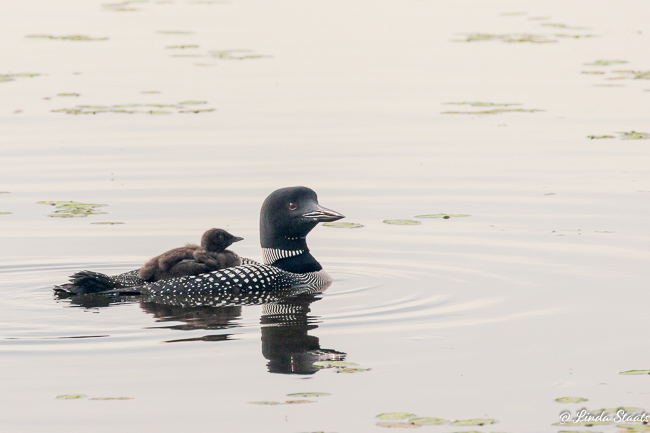
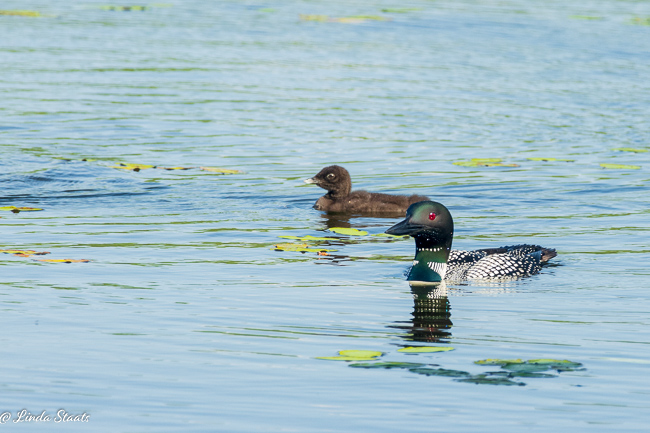
With this there is a great migration of birds coming through and starting their journey south. The loons were gone by the first few days of October. The males left first and were followed later by the females, leaving the young ones to fend for themselves and then to head south on their own. It’s amazing to me that these loons that were only born a few months ago can navigate their way south by themselves.
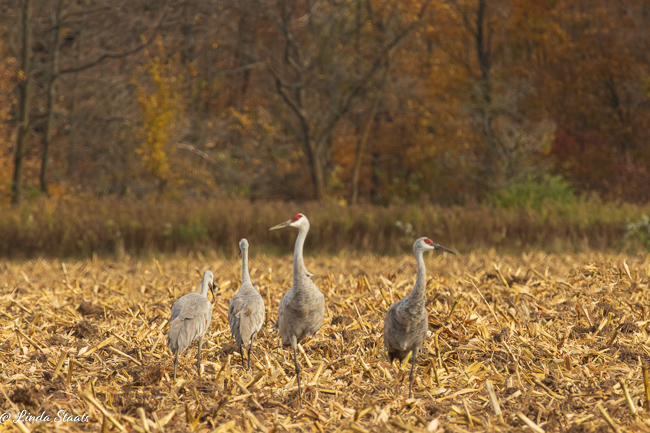
The Canada geese and the wood ducks are gathering. The sandhill cranes are feeding in the harvested fields. Soon all of these will be leaving. The last birds to come through our area seem to be the hooded mergansers. They will arrive and yet leave a short time later. And then our lakes will start to freeze.
But this is the time to know that the cycle of seasons continues once again, and we can appreciate Mother Nature’s palette of colors before we transition to winter.

 lindastaatsphoto.com