Somewhere in the distance the call of autumn can be heard. It’s faint and far-off right now, but it’s noticeable in small ways. There’s a change in the slant of the sun, and the air has a different smell. Some days dawn with warmth, and others have a cool chill – a sign of the seasonal change.
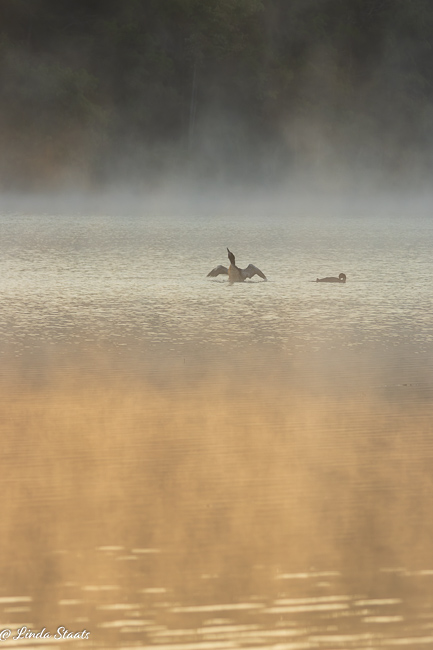
Even the call of the loons is different. It seems more lonely, especially as it rises above the steam coming off the lake. There will soon be a change in the migrating birds, both those coming and those leaving. The wood ducks have been sighted as they are passing through in their journey from north to south. The Canada geese have taught their young how to fly and soon, after their wings have strengthened significantly, they too will head south. With the rapidly decreasing daylight hours, the hummingbirds are active now in preparation for their departure. And the adult loons will soon be leaving, followed later by the juveniles.
There is a “weathered” color to the leaves now. The once-vibrant greens have faded, and we are starting to see hints of color. That symphony of color will only grow and crescendo in another four to six weeks. The steam will continue to rise off the lake in the mornings until the water temperature plummets below the air temperature.
It’s all a reminder to me of the passage of time, the preparation needed for the transition to winter, and the importance of appreciating each and every day and relishing the opportunity to embrace what is offered up to us.
We recently completed a four-day bicycling trip in Minnesota – the BAM (Bicycling Around Minnesota). It was a fun and challenging four days of riding. This year’s ride had 250 cyclists, ranging in age from 24 to 84, all coming together to be immersed in the scenery and sights of the northwestern lakes of Minnesota. We’ve found that bicycling is a great way to see the countryside, as opposed to driving on interstates or flying high above. On a bicycle seat you become part of the terrain, and can easily stop to see sights and talk with locals.
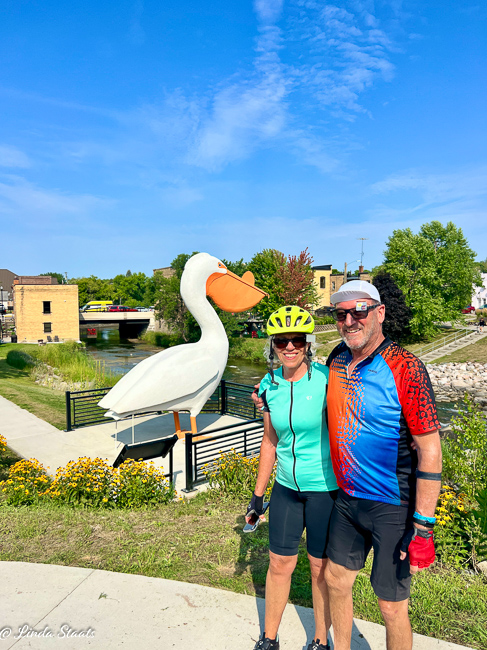
We started the ride in the city of Detroit Lakes with a 52 mile loop past cabins and lake homes on both Detroit and Pelican Lakes. Minnesota lays claim to over 10,000 lakes, and these two large bodies of water captured “lake life.” Day two was a 57 mile ride from Detroit Lakes to Fergus Falls, riding through the town of Pelican Rapids, home to Pelican Pete – the world’s largest pelican, standing 15.5 feet tall. Pete was built in 1957 and overlooks the Pelican River. He was a perfect “excuse” to stop and rest, appreciate the river and park, and get ready for the hills (and headwinds) that were waiting for us on our journey south to Fergus Falls.
The third day was 63 miles from Fergus Falls to Perham. The morning started with clouds and light showers left over from the overnight rainstorm that had rolled through the area. But the sun broke through the clouds in the late morning. We were lucky to take in the annual Corn Daze celebration in the small community of Dent – free corn, a parade, and a classic car show. In Perham we were camped at the fairgrounds next to Tuffy Stadium. The stadium is home to the Perham Pirates, the town baseball club that was playing New York Mills and Urbank that afternoon and evening. We drifted off to sleep hearing the crack of the bat and the announcer calling the game.
Day four gave us 35 miles to ride from Perham back to our beginning point in Detroit Lakes. The day dawned bright and cooler, and there were two important stops to make along this shorter route. The first was at the big loon in the town of Vergas. Standing 20 feet tall and overlooking Long Lake, it was built in 1963 by the Vergas Fire Department to honor a former town postmaster. The loon is Minnesota’s state bird, so this stop was even more appropriate. But there was one more aviary roadside attraction waiting up the road for us – the world’s tallest turkey.
The town of Frazee is one of the largest producers of turkeys in Minnesota. So it was only fitting that they have a 22 foot tall turkey. Known as Big Tom II and weighing nearly three tons, he replaced the first Big Tom who met an untimely death by fire in 1998. The current Big Tom is said to have 4,000 individual fire-resistant feathers (obviously they’re not looking for a repeat of the first Big Tom’s demise).
If we had been traveling by car we probably wouldn’t have detoured off our route for these roadside attractions. And yet there’s something interesting and unique about the statues that represent a community, that give them an identity, and certainly give them bragging rights and something to boast about.
207 miles, four nights of camping in a tent, lots of laughs, shared stories, many meals, multiple ice cream stops, and three more “quirky” roadside attractions to add to my list – it all made for a wonderful trip!
Spring has arrived in all her glory. Because we are in the North woods of Wisconsin, spring first starts with the ephemerals – the short-lived flowers that bloom before the tree canopy has reached its fullness. They’re usually found on the edges of the woods where they can collect as much sunshine as possible, and often they line the sides of our county roads and highways.
It’s a beautiful and changing thing to see, reminding me of the 1960’s (yes, I’m that old!) when Lady Bird Johnson promoted planting flowers in urban areas and along the sides of the highways to add color and beauty. She said “Where flowers bloom, so does hope – and hope is the precious, indispensable ingredient.” And hope is one thing I always associate with springtime as we pass out of the dark and cold of winter.
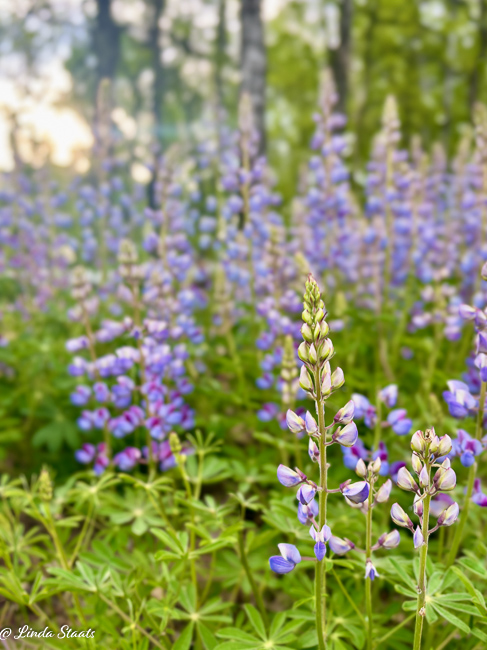
The blood root and white trillium have already bloomed and faded. The violets, hepatica, northern starflower, wild geranium, and pink lady’s slipper are now coming into bloom. But my favorite is the native wild lupine. Like sentinels, they stand upright along the road providing a lovely burst of blue and purple, and even some white. Two years ago we collected native lupine seeds, dried them, and then scattered them along the edges of the road leading to our lake. We nervously looked for their plants the next spring. Some germinated and some didn’t. But wild lupine takes two years to bloom, so we waited another year. And we’re now rewarded with their cheerful and welcoming blooms as we pass on the road. Hopefully they will scatter their seeds this year, and we will continue to enjoy their announcement of spring and hope in the coming years.
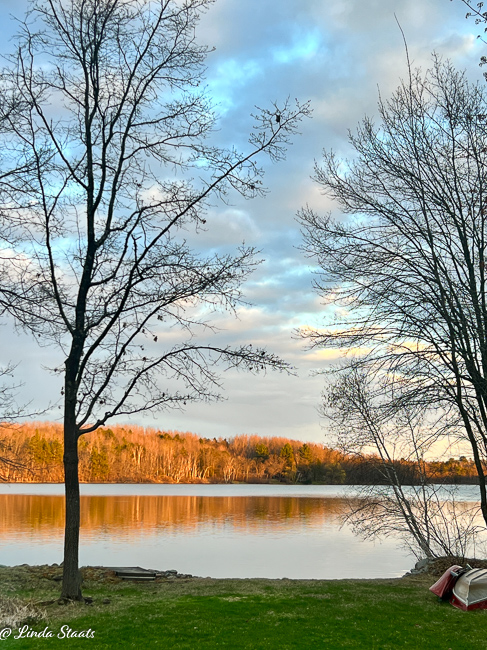
I’ve been patiently waiting for the arrival of spring. It doesn’t come with fanfare or trumpets announcing its arrival. It comes gradually, and often in starts and stops. The ice went out on the lake awhile ago but the lake temperature is warming slowly. The grass is eventually becoming green – that “new” green that almost shines and glows in the sunlight. It’s the green that hasn’t yet been dried out with the heat of a summer sun.
The loons have returned to the lake and have joined the chorus of Canada geese, ducks, and even the swans and sandhill cranes. The welcome cacophony of calls often stops me in my tracks. The wood ducks are back too, floating by the shoreline, searching for that “perfect” house to lay their eggs and eventually raise their young.
And slowly the trees are getting their new-spring buds. There are a few oak leaves that cling to the branches – they’ve held on throughout last fall and winter and provide a clatter when the spring wind rustles through. But they’ll be replaced soon with a burst of new leaves that will provide the much-appreciated shade from the summer sun’s heat. Until then we watch the buds get bigger, soaking up warmer temperatures and sunshine.
Two nights ago I watched as the setting sun raked its shadow across the opposite shoreline. The golden light gradually diminished into dark, the winds stilled and the lake surface quieted to glass. And then a near-full moon rose above the trees and slowly spread its reflection in the calm lake, reminding me that spring has arrived. Get out and enjoy it – this “shortest” season we have.
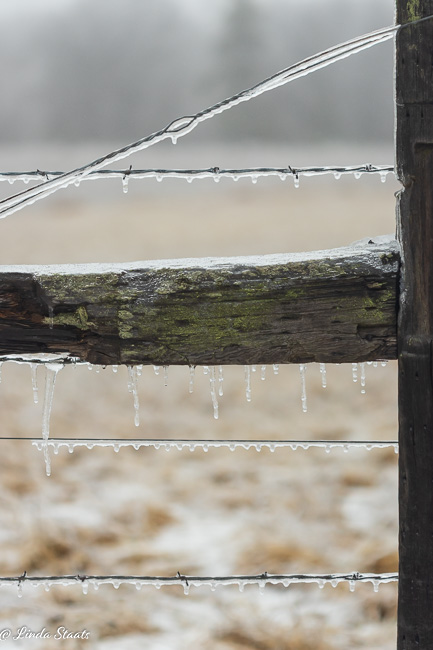
The outside world has not transitioned to spring. We’ve had snow, sleet, rain, and a thick ice that covered everything — the trees, the walkways, the electrical lines, the fences, and the barbed wire. Suspended in the cold air, the ice drips froze in place. It was eerie to see, and even stranger to watch as the temperatures rose. The wind picked up and the ice began falling from the electrical lines and trees. As I parked my car, it was like a hail storm with bits of ice raining down from the overhead tree branches.
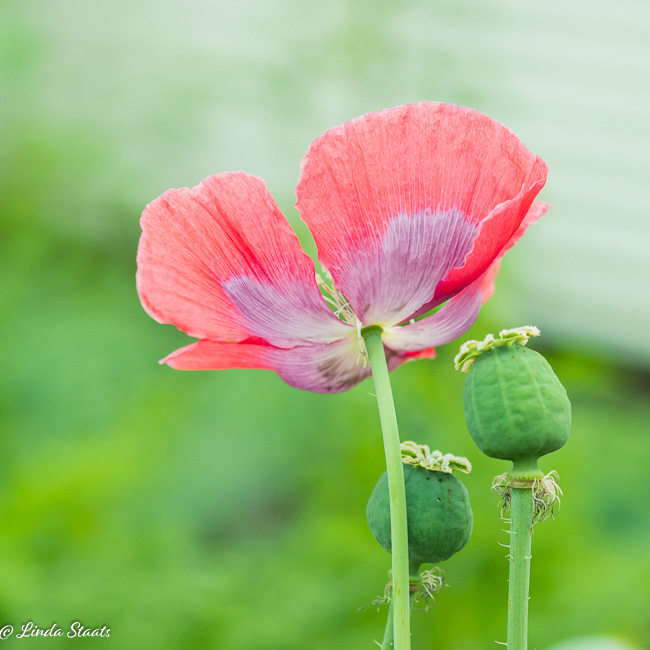
But there’s a respite with being indoors, especially at the McNeely Conservatory in Saint Paul. Spring is at its finest without the cold, the snow, or the ice. Here it’s a feast of color with flowers and plants that make us yearn for the warmth of spring. And there’s a scent of green and color that can’t be denied. Poppies, tulips, ranunculus – all blooming without any care to the outside cold. A truly wonderful escape from our long winter season.