Autumn and other transitions

We have officially transitioned to fall with the autumnal equinox today. Our daylight hours become shorter and the darkness of night becomes longer. There’s a change in the air, and here in the North the sun is losing its intensity and its heat. The green leaves aren’t the same deep shade of green, and in many places the yellows, oranges, and reds are starting to dot our landscape.

I have also gone through a transition these past months, as we have sold our house in Minnesota and have moved to our cabin in northwest Wisconsin. Just as the days become shorter gradually, it became clear to us, gradually, that this move was in our best interests. And yet it’s hard to pack up and move from a house, a neighborhood, a community that you’ve been a part of for 20 years.

After the move we headed out on a 3-week camping trip – a chance to escape from packing and unpacking, loading and unloading. We took our 16-foot Scamp travel trailer and headed west through the Dakotas, Wyoming, Utah, and Montana. It was a grand adventure and an opportunity to explore our National Parks and forests and be in much different landscapes. I’m planning to share some of those images and stories in the future. The image in this post was from a week ago on a prairie in northwest Minnesota near the Red River Valley where the goldenrod was already in its fall display of yellow.

If you’re looking for a way to celebrate the autumnal equinox, I would suggest spending some time in nature – get out for a walk, breathe in the autumn air and notice the difference from even a month ago, and enjoy a sunset. Nature has a wonderful way of helping us through transitions as it is always cycling from one season to the next, from one sunrise to sunset to sunrise again.
Summertime!

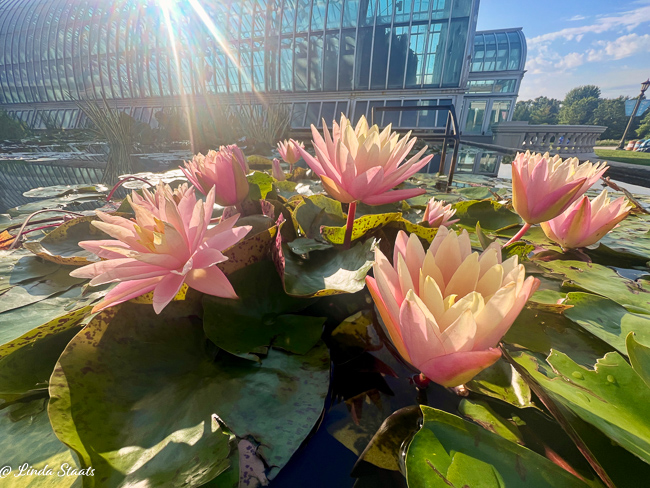
We are in the middle of summer. Warm temps, sunshine, and those carefree days to be spent outside. As we get older we forget how precious the summer days are. The bright sunlight is something to soak up, and the summer-worthy adventures are waiting out the door.

The recent thunderstorms that developed and rolled through the area are a reminder that even the dark clouds eventually depart and the summer sun will appear yet again. To reach up and out to the sun, to embrace all its warmth and light – those are the reminders of how we’re to enjoy summer.

Wildlife abounds

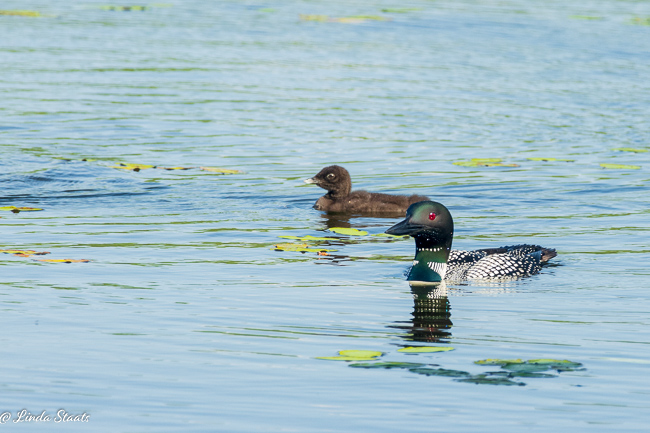
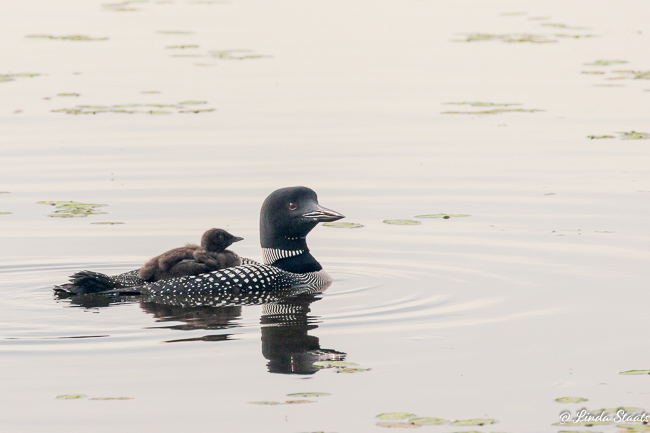
We’ve had the wonderful opportunity to observe and enjoy nature in northwest Wisconsin. Our small lake and surrounding woods have provided us with stunning sunrises over the opposite shore, menacing storms that roll in over the lake, fall colors that never last long enough, and bountiful wildlife sightings. But for the first time in seven years, we have a loon family that is carefully guarding its new chick from all predators, including the eagles and their young eaglets.

We first saw the loon chick swimming on its mother’s back. It was certainly learning about the lake and seeing the big world around it with fresh eyes. Both parents were nearby and watching carefully. They would dive and get small fish and feed them to the chick – a pretty easy life when you’re young.

And then in a seemingly few days, the chick was old enough (and big enough) to be swimming on its own. We watched the parents dive down into the lake, and eventually the chick learned how to do it also. It was not as dependent on its parents for food, but it was still small enough that it needed the watchful eyes of its parents for safety.

At the far end of the lake is the eagle’s nest, high in the top of a tree. We’ve watched the eagles fly over the lake and swiftly swoop down to catch fish in their large talons and carry back to the nest to feed their eaglets.

We’re looking forward to seeing the young grow and mature. They have many adventures and so very much to learn before winter comes when the loons will migrate south and the eagles will claim their territories.

Awakening from winter

We appear to have turned the proverbial corner from winter to spring. It was not a straight-line trajectory, but it was a snowstorm followed by a warm up and then a cycle of repeat a few times. My attention has been on other things the past few months, and my photography has taken a back seat to those concerns. But it’s never far from my mind, and when I’m “out in the world” and a scene presents itself to me, it sometimes cannot be ignored.

This was the case this past Easter morning. The world was quiet and still before dawn. The air was cold as the temperatures had dropped below freezing overnight. Yet there was the promise of warmth from the sun. I watched as the eastern horizon slowly awakened to the most beautiful shades of blue, rose, and gold. As the light started to glow, there was a cacophony of sounds – turkeys gobbling across the opposite shore, Canada geese honking in the bay to the south, and ducks quacking as they flew towards the shore and then swept back into the air. It was as if a chorus was announcing the arrival of Easter and of spring. And maybe this was the final turning from winter to spring.

Structure in the snow

This has been a hard week. My mind has been anything but calm, and the “news of the world” has not been kind. Sleepless nights and fits of anxiety have not helped.

The other morning I awoke to a fresh layer of snow on the ground. For most winters that would not be unusual, but this year the winter precipitation has favored a track around us. The meager snow has been icy and anything but photogenic. But this new snow had softened the immediate world around me. There was a layer of white covering the grass and lying gently on the pine trees. Even these allium heads welcomed the bits of snow in their centers, cupping it around the delicate stems. I marveled at the intricacy of the seed heads and their ability to weather and stand up to the winter winds and storms. Bravely they stand as a testament to summer and fairer weather.

It was a welcome relief to spend time with the alliums and the fresh snow. I forgot about the “outside world” and focused on the “news of the heart” – the sturdiness and resilience of nature.