A Minnesota bicycling adventure with larger than life roadside attractions

We recently completed a four-day bicycling trip in Minnesota – the BAM (Bicycling Around Minnesota). It was a fun and challenging four days of riding. This year’s ride had 250 cyclists, ranging in age from 24 to 84, all coming together to be immersed in the scenery and sights of the northwestern lakes of Minnesota. We’ve found that bicycling is a great way to see the countryside, as opposed to driving on interstates or flying high above. On a bicycle seat you become part of the terrain, and can easily stop to see sights and talk with locals.

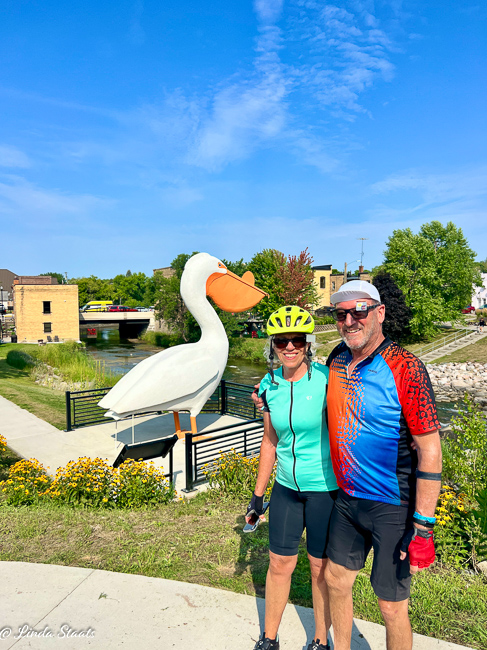
We started the ride in the city of Detroit Lakes with a 52 mile loop past cabins and lake homes on both Detroit and Pelican Lakes. Minnesota lays claim to over 10,000 lakes, and these two large bodies of water captured “lake life.” Day two was a 57 mile ride from Detroit Lakes to Fergus Falls, riding through the town of Pelican Rapids, home to Pelican Pete – the world’s largest pelican, standing 15.5 feet tall. Pete was built in 1957 and overlooks the Pelican River. He was a perfect “excuse” to stop and rest, appreciate the river and park, and get ready for the hills (and headwinds) that were waiting for us on our journey south to Fergus Falls.

The third day was 63 miles from Fergus Falls to Perham. The morning started with clouds and light showers left over from the overnight rainstorm that had rolled through the area. But the sun broke through the clouds in the late morning. We were lucky to take in the annual Corn Daze celebration in the small community of Dent – free corn, a parade, and a classic car show. In Perham we were camped at the fairgrounds next to Tuffy Stadium. The stadium is home to the Perham Pirates, the town baseball club that was playing New York Mills and Urbank that afternoon and evening. We drifted off to sleep hearing the crack of the bat and the announcer calling the game.

Day four gave us 35 miles to ride from Perham back to our beginning point in Detroit Lakes. The day dawned bright and cooler, and there were two important stops to make along this shorter route. The first was at the big loon in the town of Vergas. Standing 20 feet tall and overlooking Long Lake, it was built in 1963 by the Vergas Fire Department to honor a former town postmaster. The loon is Minnesota’s state bird, so this stop was even more appropriate. But there was one more aviary roadside attraction waiting up the road for us – the world’s tallest turkey.

The town of Frazee is one of the largest producers of turkeys in Minnesota. So it was only fitting that they have a 22 foot tall turkey. Known as Big Tom II and weighing nearly three tons, he replaced the first Big Tom who met an untimely death by fire in 1998. The current Big Tom is said to have 4,000 individual fire-resistant feathers (obviously they’re not looking for a repeat of the first Big Tom’s demise).

If we had been traveling by car we probably wouldn’t have detoured off our route for these roadside attractions. And yet there’s something interesting and unique about the statues that represent a community, that give them an identity, and certainly give them bragging rights and something to boast about.

207 miles, four nights of camping in a tent, lots of laughs, shared stories, many meals, multiple ice cream stops, and three more “quirky” roadside attractions to add to my list – it all made for a wonderful trip!
Edges

These have been a difficult and tough few weeks in Minnesota and Wisconsin. People are on edge. Some are hiding in fear and some are stepping out and forward. For the 20 years I have lived in Minnesota, I’ve found the people to be welcoming and caring. They’re happy to help push you out of a snow bank, recognizing that everyone has been in that situation before. When the temperatures dip to 20 below zero, you check on your neighbor to be sure they’re warm and safe. It’s what you do for your neighbors. And that’s what Minnesotans are doing now – standing up for their neighbors.

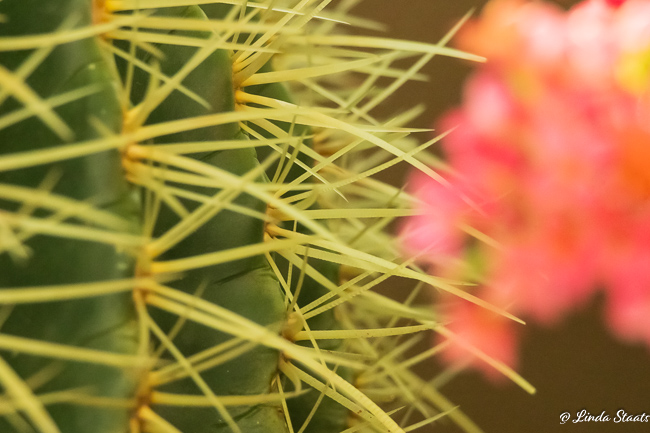
It’s been a challenge to concentrate and center my mind. One of the best ways for me to do that is to be surrounded by nature – whether it’s outside or inside with greenery and flowers. So I took myself to Como Park and spent an hour photographing at the McNeely Conservatory. The sunken garden was filled with spring flowers and colors, all of which were welcome and inviting on a cold winter’s morning. But I walked into another room at the conservatory and found three cactus in a corner. Their spikes were long and looked sharp and menacing. I immediately thought of the environment in the Twin Cities where there are menacing and sharp forces roaming the streets, schools, and businesses. And yet behind the cactus in the corner was a lovely soft kalanchoe plant covered with pink and red blossoms. As I focused my camera and framed the image, the kalanchoe colors seemed to soften the cactus and its sharp edges. Two plants side by side, both surviving in the conservatory room. Neither was better than the other. Each has its place in the environment. It all seemed to represent a difficult time where our edges are being explored and tested.

Turning into winter

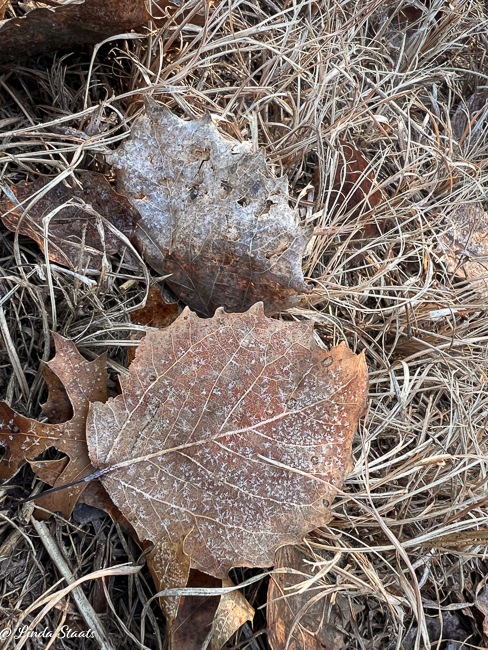
Today was a morning to pull out my warm winter coat, hat, and gloves for my daily walk. With a cold start to the dawn at 18 degrees, I was treated to tiny and intricate bits of frost decorating the fallen leaves. I marveled at our passing into yet another season, and couldn’t help but think back to warmer temperatures and a now-distant summer.

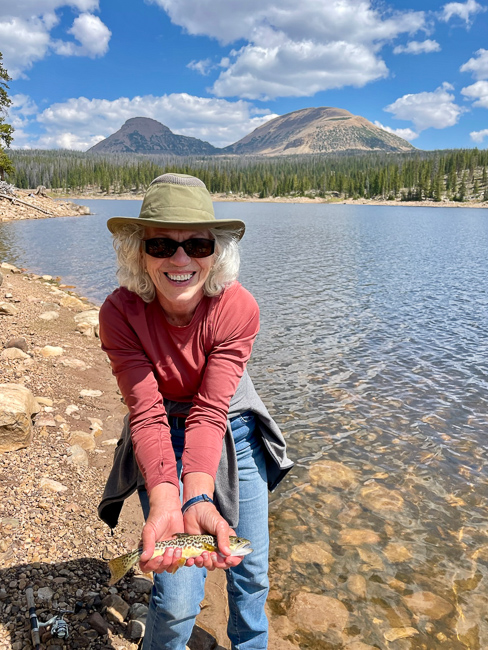
At the end of August we set out on a three-week camping trip. We left northwest Wisconsin and traveled through Minnesota, South Dakota, and Wyoming – admiring the landscape changes and the beauty that’s found in every state. We drove through prairies, sunflower fields, and canyons. We enjoyed sunsets and moon rises. We camped with family while in Utah, where I was fortunate to catch my first trout!

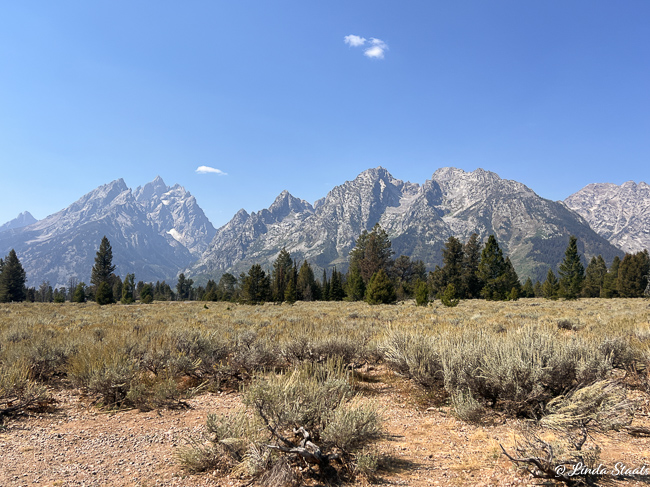
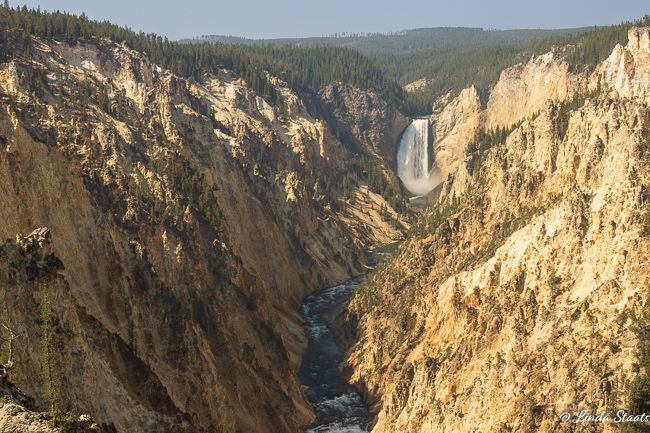
We took in the majesty of the relatively-snow-less Teton Mountain Range and we stood in awe of the immensity of the Grand Canyon of the Yellowstone.

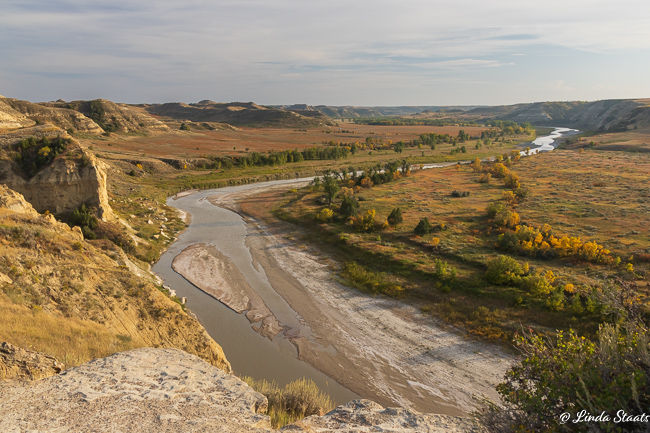
We journeyed back through the big-sky state of Montana and finished our trip in the badlands of the Theodore Roosevelt National Park, with the fall colors beginning to appear alongside the Little Missouri River valley.

So on these clear cold days leading further into winter, I especially enjoy the chance to revisit and appreciate the warmth and expansiveness, as well as the beauty and the variety of landscapes that we enjoyed a mere two months ago as we journeyed west.

Autumn and other transitions

We have officially transitioned to fall with the autumnal equinox today. Our daylight hours become shorter and the darkness of night becomes longer. There’s a change in the air, and here in the North the sun is losing its intensity and its heat. The green leaves aren’t the same deep shade of green, and in many places the yellows, oranges, and reds are starting to dot our landscape.

I have also gone through a transition these past months, as we have sold our house in Minnesota and have moved to our cabin in northwest Wisconsin. Just as the days become shorter gradually, it became clear to us, gradually, that this move was in our best interests. And yet it’s hard to pack up and move from a house, a neighborhood, a community that you’ve been a part of for 20 years.

After the move we headed out on a 3-week camping trip – a chance to escape from packing and unpacking, loading and unloading. We took our 16-foot Scamp travel trailer and headed west through the Dakotas, Wyoming, Utah, and Montana. It was a grand adventure and an opportunity to explore our National Parks and forests and be in much different landscapes. I’m planning to share some of those images and stories in the future. The image in this post was from a week ago on a prairie in northwest Minnesota near the Red River Valley where the goldenrod was already in its fall display of yellow.

If you’re looking for a way to celebrate the autumnal equinox, I would suggest spending some time in nature – get out for a walk, breathe in the autumn air and notice the difference from even a month ago, and enjoy a sunset. Nature has a wonderful way of helping us through transitions as it is always cycling from one season to the next, from one sunrise to sunset to sunrise again.

Summertime!

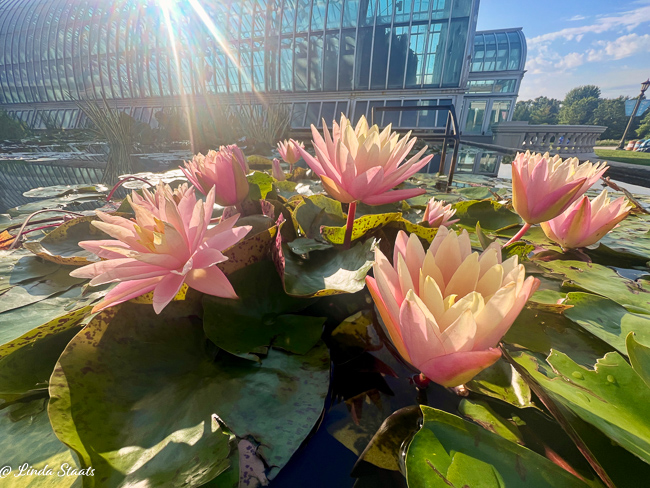
We are in the middle of summer. Warm temps, sunshine, and those carefree days to be spent outside. As we get older we forget how precious the summer days are. The bright sunlight is something to soak up, and the summer-worthy adventures are waiting out the door.

The recent thunderstorms that developed and rolled through the area are a reminder that even the dark clouds eventually depart and the summer sun will appear yet again. To reach up and out to the sun, to embrace all its warmth and light – those are the reminders of how we’re to enjoy summer.